What Roof Removal Involves and When It’s Necessary
People searching for what roof removal involves and when it’s necessary often need local contractors who can safely and efficiently remove old or damaged roofing materials.
Understanding what roof removal involves and when it’s necessary can help property owners make informed decisions about their roofing needs. Whether dealing with extensive damage, outdated materials, or preparing for a roof replacement, knowing the process can provide clarity and confidence. Local contractors who specialize in roof removal are equipped to handle these projects efficiently, ensuring that the old roofing is safely and properly removed to make way for new installations or repairs.
For property owners in the area, exploring this topic is practical for several reasons. If a roof shows signs of severe wear, leaks, or structural concerns, knowing when removal is the right step can prevent further damage and costly repairs down the line. Local service providers can assess the situation, explain what roof removal involves, and recommend the appropriate course of action. Keep reading to learn more about the process and how trusted local experts can assist throughout each stage.
- Complete roof removal - necessary when a roof has extensive damage or outdated materials, with local contractors carefully dismantling and replacing the entire structure.
- Partial roof removal - required for repairs or upgrades to specific sections, with service providers efficiently removing only the affected areas to minimize disruption.
- Asphalt shingle roof removal - needed when shingles are severely worn or damaged, and local pros use specialized tools to safely strip and prepare for new roofing.
- Roof removal for additions or extensions - performed when constructing new spaces that require the existing roof to be temporarily removed and then reinstalled seamlessly by local experts.
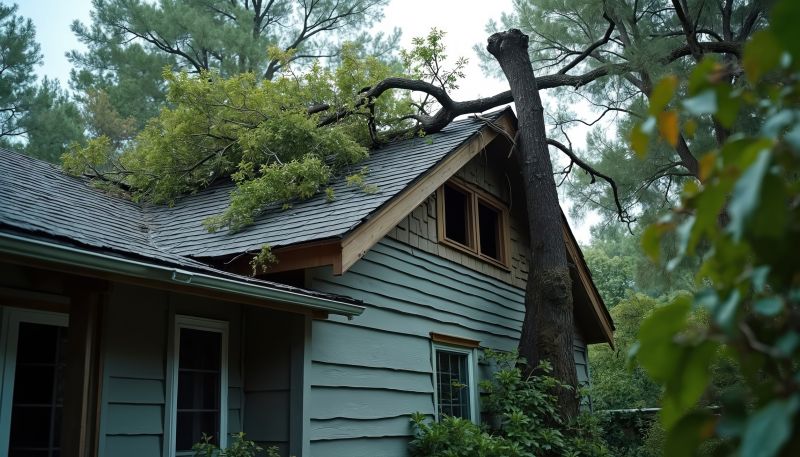
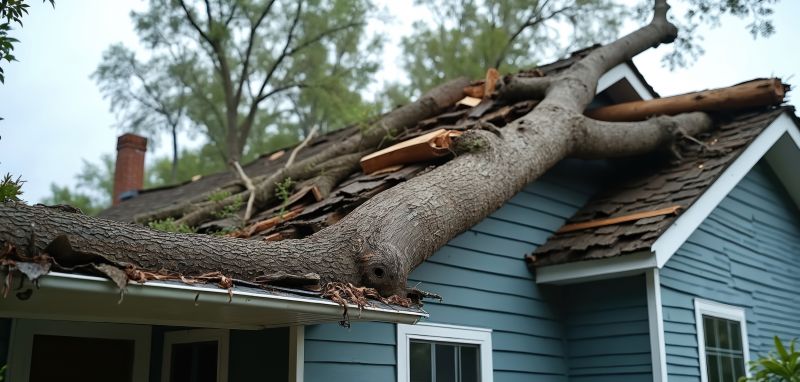
- Storm or wind damage roof removal - essential after severe weather events, with service providers quickly removing compromised roofing to prevent further damage and prepare for repairs.
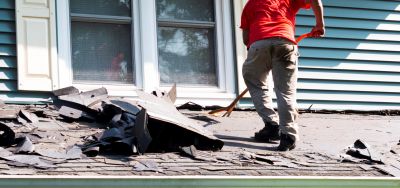
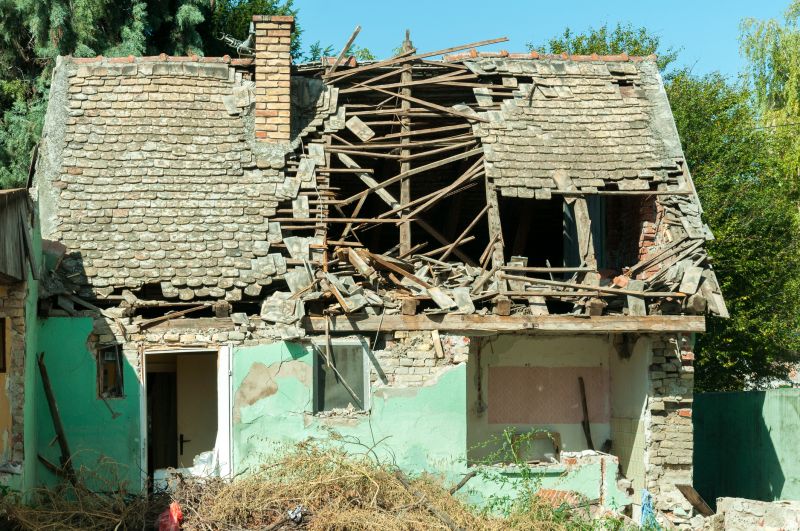
Understanding what roof removal involves and when it’s necessary is a key step for homeowners considering significant roofing projects. Typically, roof removal refers to the process of stripping away an existing roof covering to prepare for a new installation or to address underlying issues. This procedure often involves carefully taking off shingles, tiles, or other roofing materials, inspecting the underlying structure, and ensuring the surface is ready for replacement. Homeowners searching for this topic usually want to know whether their project requires complete removal or if a partial approach will suffice, especially when dealing with extensive damage or planning a roof upgrade.
Roof removal becomes necessary in various situations, especially when existing roofing materials are severely damaged, worn out, or compromised by leaks and rot. It’s also a common step during major renovations or when upgrading to a different roofing style or material. For properties with multiple layers of roofing, removal may be essential to reduce weight and prevent structural issues. Additionally, if the underlying deck or support structure shows signs of deterioration, a full roof removal allows for repairs or replacement of these components before a new roof is installed. Local contractors experienced in roof removal can evaluate the condition of the existing roof and advise on whether removal is the best course of action.
The types of properties that typically come up in discussions of roof removal include residential homes, especially those with older or damaged roofs. Single-family houses, multi-family buildings, and small commercial structures often require this work when undergoing repairs or updates. The complexity of roof removal can vary depending on the property’s size, roof pitch, and the materials used. For example, steeply pitched roofs or those with complex layouts may require specialized techniques for removal and installation. Homeowners planning a roof replacement or major renovation should understand how these projects relate to their property type and how local service providers can facilitate the process efficiently and safely.
In many cases, engaging with experienced local contractors is essential for a successful roof removal project. These professionals have the skills and tools needed to handle different roof types and conditions, ensuring the removal process is thorough and safe. They can also assess the structural integrity of the underlying surfaces and prepare the site for the new roofing system. Whether a homeowner is replacing an aging roof, addressing damage, or upgrading to a different material, working with local pros ensures that the job is completed properly and according to industry standards. Understanding what roof removal involves and when it’s necessary helps homeowners make informed decisions and partner effectively with experienced service providers for their roofing needs.
Deck Removal Projects - removing old or damaged decks requires skills with roofing tools and planning similar to roof removal to ensure structural safety and proper disposal.
Chimney Demolition - tearing down chimneys involves careful planning and the use of similar tools to roof removal to prevent damage to the surrounding structure.
Gutter Replacement - replacing gutters involves working on the roofline and requires understanding of roofing systems, making it comparable to roof removal tasks.
Siding Removal and Installation - removing and replacing siding often involves working around the roof area and using similar techniques for access and safety.
Attic Insulation Removal - removing old insulation in attics involves working in confined spaces and planning similar to roof removal for safety and efficiency.
Roof Repair Services - repairing damaged roofing components shares skills with roof removal, especially when parts need to be temporarily removed or replaced.
When evaluating local contractors for roof removal services, it is important to consider their experience with similar projects. A contractor who has handled roof removals comparable to the scope and complexity of the work needed can offer valuable insight into potential challenges and best practices. Homeowners should inquire about the types of roofs they have worked on and ask for examples of past projects that align with their specific situation. This background can help ensure the contractor understands the nuances involved in safe and effective roof removal, which is a critical step before any new roofing can be installed.
Clear written expectations are essential when comparing service providers for roof removal. A reputable contractor should provide a detailed scope of work, outlining what the process involves and any preparations or considerations the homeowner should be aware of. This documentation helps prevent misunderstandings and ensures both parties are aligned on the scope and responsibilities. Homeowners should also seek out providers who are transparent about their procedures and can explain the steps involved in roof removal, so they can make informed decisions about when it’s necessary and how the work will be carried out.
Reputable references and effective communication are key indicators of a trustworthy local contractor. Speaking with previous clients can provide insights into the contractor’s reliability, professionalism, and quality of work. Additionally, a service provider who communicates clearly and promptly can help homeowners feel confident throughout the project, especially when discussing what roof removal involves and assessing whether it’s necessary in their situation. Good communication ensures that homeowners receive thorough explanations and can ask questions about the process, which is vital for understanding the scope of work and making well-informed decisions about their roofing needs.
Property owners often search for what roof removal involves and when it’s necessary when they are planning practical projects around their homes and businesses. Local pros provide Roof Removal services for everyday jobs and straightforward project options.
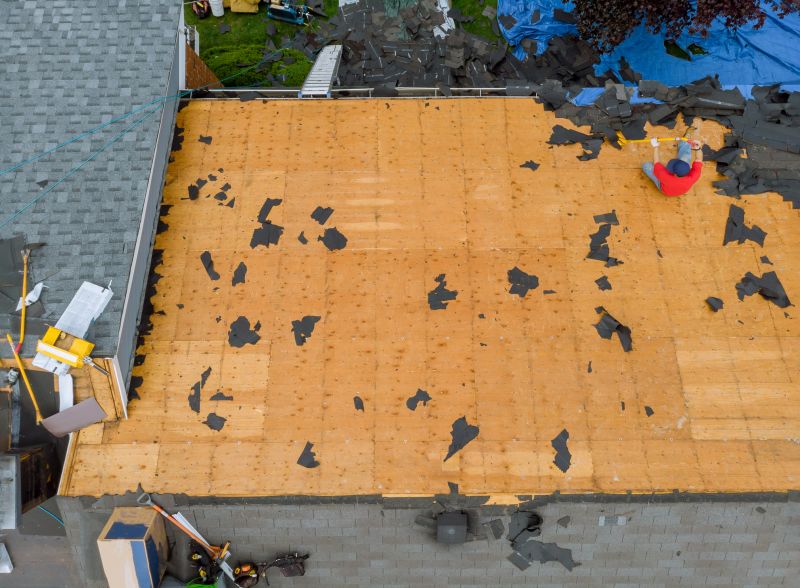

Understanding what roof removal involves and when it’s necessary can help property owners make informed decisions about their roofing projects. Typically, roof removal is part of a larger process of replacing or repairing a damaged roof, especially when the existing structure has sustained extensive wear, leaks, or structural issues. In common situations, homeowners or property owners might look into roof removal services if their current roof has reached the end of its lifespan, has suffered storm damage, or if they are planning a significant upgrade or renovation that requires a new roof installation.
Local contractors who specialize in roof removal can assess the condition of an existing roof and determine whether removal is the appropriate step. They handle the safe and efficient teardown of old roofing materials, preparing the surface for a new layer. Property owners often seek out these services to ensure the removal process is done properly, minimizing potential damage and ensuring the new roof can be installed smoothly. Whether dealing with storm damage, age-related deterioration, or renovation plans, working with experienced service providers can help manage the complexities involved in roof removal projects.
What does roof removal involve? Roof removal involves carefully taking off the existing roofing materials, such as shingles or tiles, to prepare for a new roof installation. Local contractors use specialized tools and techniques to ensure the structure beneath is not damaged during the process.
When is roof removal necessary? Roof removal is typically necessary when the existing roof is severely damaged, has multiple layers, or needs to be replaced due to age or structural issues. Local service providers can assess whether removal is required for a safe and effective roof replacement.
Are there different types of roof removal? Yes, roof removal can vary depending on the roofing material and structure, including complete tear-off or partial removal for repairs. Local contractors can determine the appropriate method based on the specific roof and situation.
What are common signs that indicate roof removal is needed? Signs include extensive damage, leaks, sagging, or multiple layers of roofing material. A professional assessment from local pros can confirm if roof removal is the best course of action.
How do local contractors handle roof removal safely? Local service providers follow safety protocols, use proper equipment, and adhere to best practices to ensure the roof removal process is performed safely and efficiently, minimizing risk to property and workers.
Assessing roof condition - Property owners can evaluate if their roof shows signs of damage or aging that may require removal, such as leaks or extensive wear, with the help of local contractors.
Determining removal needs - Homeowners planning renovations or structural repairs might consider roof removal services when existing roofing materials are beyond repair or incompatible with new designs.
Choosing appropriate materials - When selecting new roofing materials, property owners can consult local pros to understand if a complete roof removal is necessary for proper installation.
Planning for structural changes - If a property needs modifications to its roof structure, such as changing the shape or size, local service providers can handle the removal process as part of the project.
If you are thinking about what roof removal involves and when it’s necessary for a property, this guide is meant to help you understand this topic, the typical project types, and how different options might fit your plans.
When you are ready, you can use the quote form on this page to share a few details about your project. From there, local pros can review the basics and follow up with options that match what you have in mind.